

Looking back on Kansas City, KS area history, you may be surprised to find we have roots tied to Native American culture, the nation's expansion, Civil War abolitionist movements, the development of the jazz and blues music scene, and the agricultural revolutions. As the United States celebrates its 250th anniversary, here's a guide to Kansas City, KS sites, landmarks, artifacts and museums to explore, that honor and celebrate our legacy.
Piano Technicians Guild – Jack Wyatt Museum
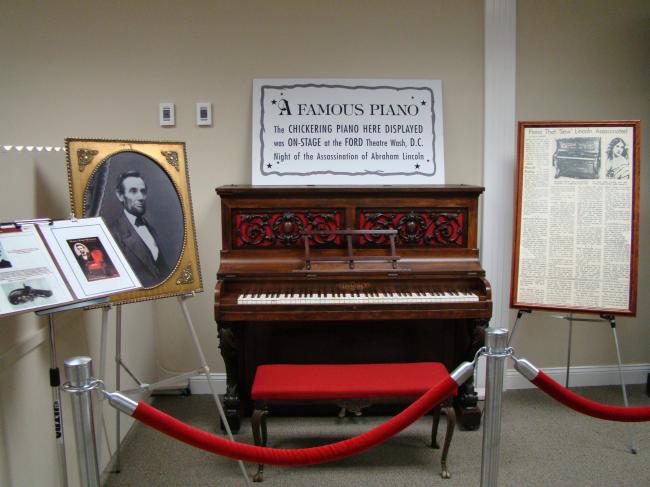
The Piano Technicians Guild located off Forest Avenue is home to the Chickering piano on stage at the time of President Lincolns assassination. Originally belonging to Laura Keene, the piano traveled to numerous shows across the country, including at the Ford Theatre. That would be its last show played. After being sold off the Aeolian-American Corporation the plant closed 73 years later and was then acquired by the Piano Technicians Guild in 2006.
Wyandotte County Historical Museum
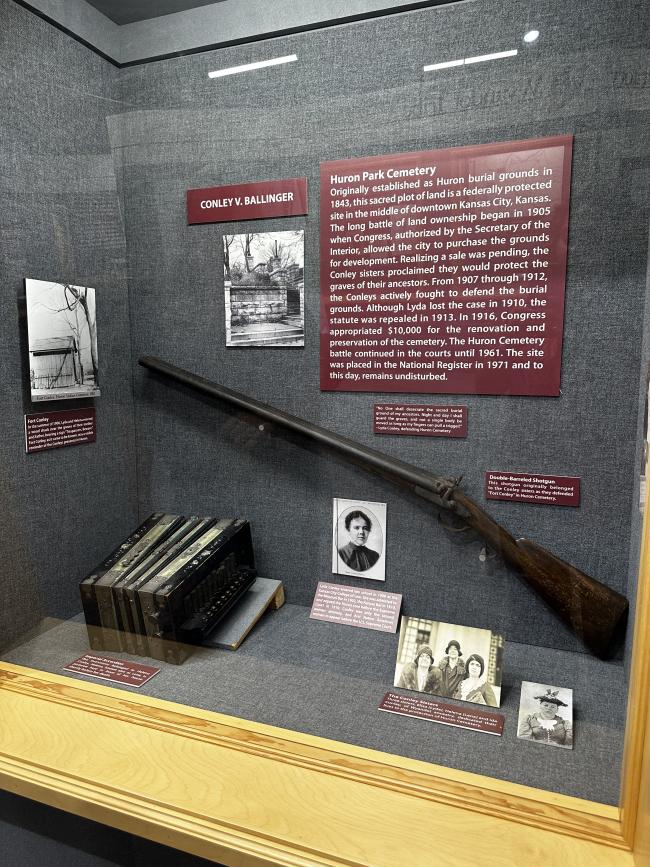
The Wyandotte County Historical Museum shares an encompassing story of the people and events that shaped our city. Among the many artifacts used to tell this tale is a shotgun, which was used by Ida Conley to scare off robbers and investors looking to buy the Wyandott National Burying Ground land. While the gun wasn't loaded, it did the trick. Ida, Helena and Lyda Conley are known to be local heroes, especially among the Wyandot Nation of Kansas. You can learn more about their story here.
Clendening History of Medicine Museum
At the Clendening History of Medicine Museum, artifacts throughout America’s medical history can be found in the museum's rotating exhibits and archives including:
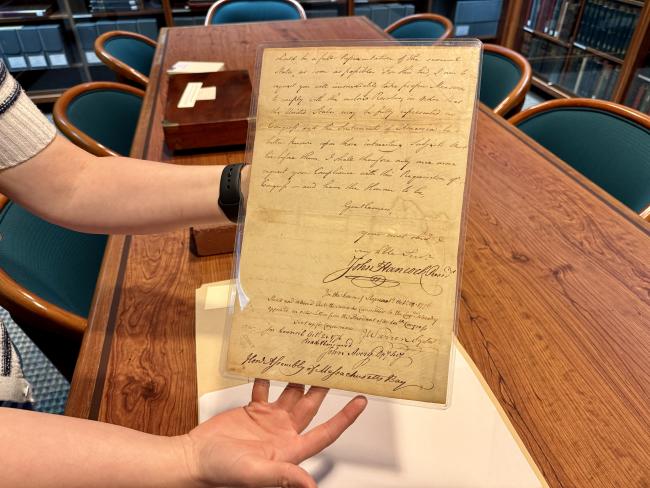
- A letter from John Hancock dating back to 1776 in a request for states to appoint qualified surgeons
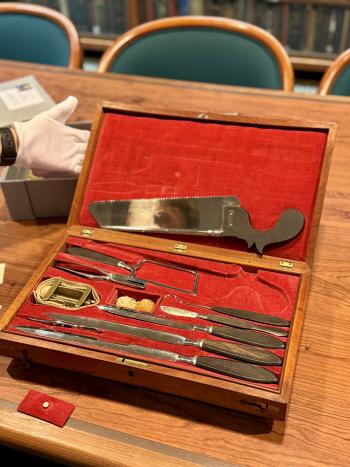
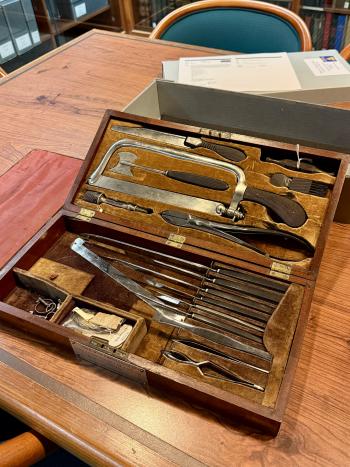
- 19th century Mexican American and Civil War amputation kits featuring original tools
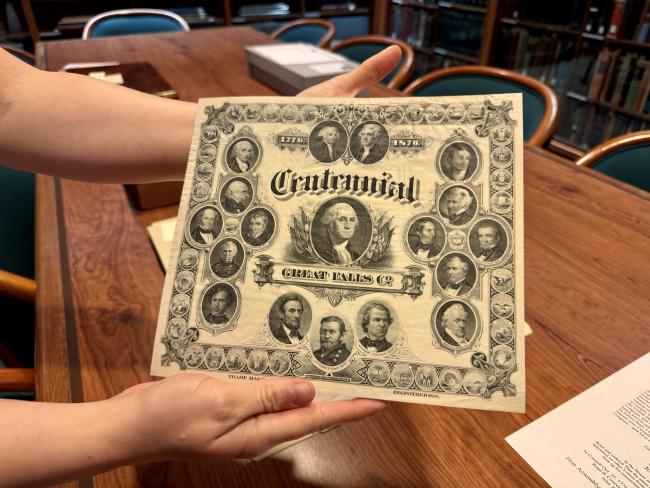
- A newly discovered United States Centennial commemorative bank note dating back to 1876 displaying portraits of the presidents up until that year
- For a Kansas exclusive, the museum also features a “Don’t Spit on the Sidewalk” brick from a campaign led by Dr. Samuel Crumbine to stop the spread of Tuberculosis.
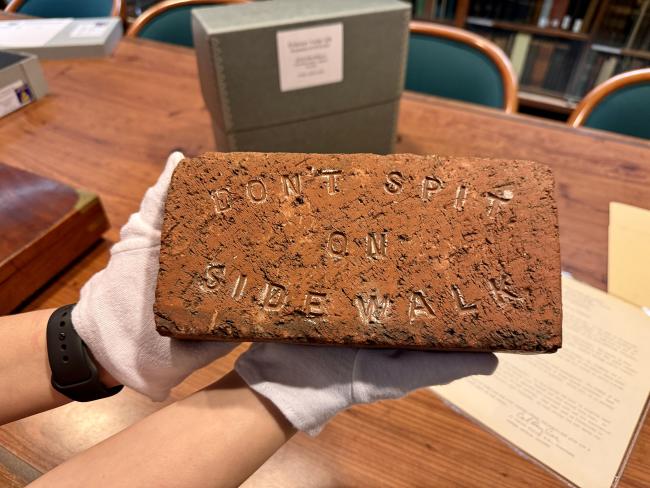
The museum is open 9-4 Monday - Friday, however these artifacts can be viewed by appointment at Clendening. For more information and to schedule an appointment, email Jamie Rees, Manager of Historical Collections at jrees@kumc.edu.
Kansas City Underground Railroad Museum at Quindaro
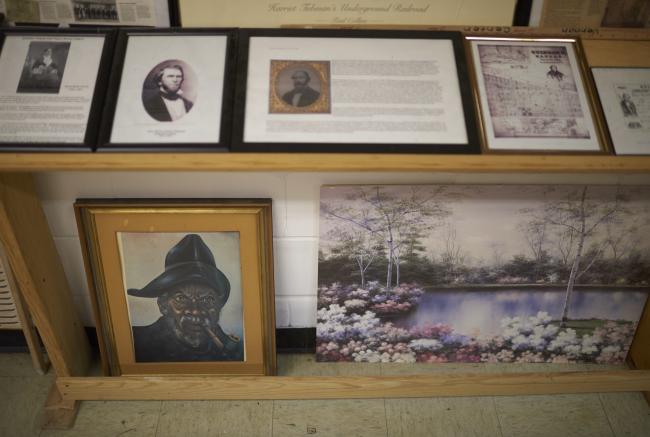
Step into one of the nation's most significant freedom stories at the Kansas City Underground Railroad Museum at Quindaro Through archaeological artifacts recovered from the historic Quindaro Townsite, along with photographs, documents, and interpretive exhibits, the museum tells the story of a thriving Free State community that served as a gateway to freedom for people escaping slavery. It's a powerful stop that brings the struggles and triumphs of pre-Civil War America to life.
Grinter Place Historic Site
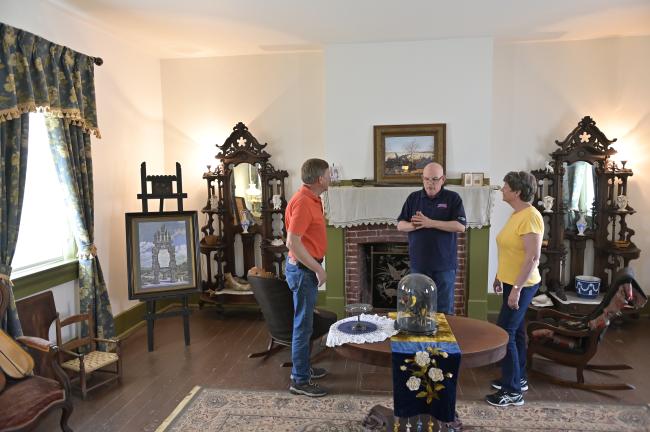
Built in 1857, Grinter Place offers a glimpse into life on the Kansas frontier just before the Civil War. Inside the beautifully preserved home, visitors can view original 19th-century furnishings, household artifacts, photographs, and personal belongings that illustrate the daily lives of one of the area's earliest settler families. The site helps tell the story of westward expansion, early settlement, and the diverse cultures that shaped Kansas and the American frontier.
KCK War Memorials
Given Kansas City’s historical roots, the city is home to numerous memorials to honor those who have served. As war has been a defining part of the nation’s 250-year history, these memorials preserve the memory of the people and conflicts that shaped the United States.
One memorial to see is the Rosedale Arch. Located on Mount Marty, it is a memorial arch inspired by the Arc de Triomphe in Paris in the memoriam of World War II soldiers from the Rosedale neighborhood of Kansas City.
The World War II Bomber Builder’s memorial, located on the grounds of the Wyandotte County Museum, is another monument that memorializes the men and women who constructed the 6,608 B-25 Mitchell Bombers at the North American Aviation Plant in Kansas City.
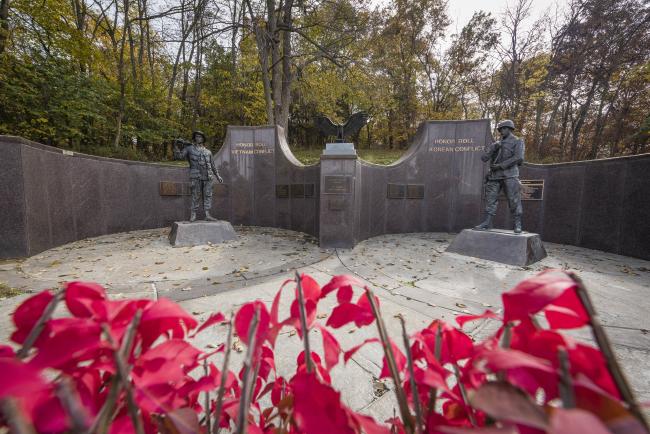
The Korean Vietnam War Memorial, located at the entrance of Wyandotte County Lake Park, is the nation's first dual-war memorial that is dedicated to veterans of the Korean and Vietnamese conflicts.
Lastly, Memorial Hall doubles as an auditorium and veteran monument that honors Wyandotte County’s fallen soldiers of World War I.
These war memorials in Kanas City are vital to the importance of American history as they commemorate Kansas City citizens and those based in Kansas City who have served in war and by educating the public about the impact war had on the United States throughout the years.
Cultural & Community Sites and Memorials
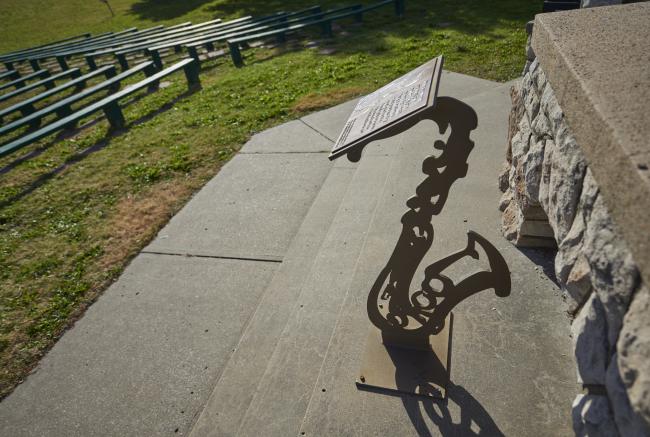
In memoriam of other important figures, KCK is also home to a Charlie Parker Memorial located at Big Eleven Lake. Affectionately nicknamed "Bird," Parker, who was born in Kansas City, KS, helped revolutionize modern jazz through the creation of bebop.
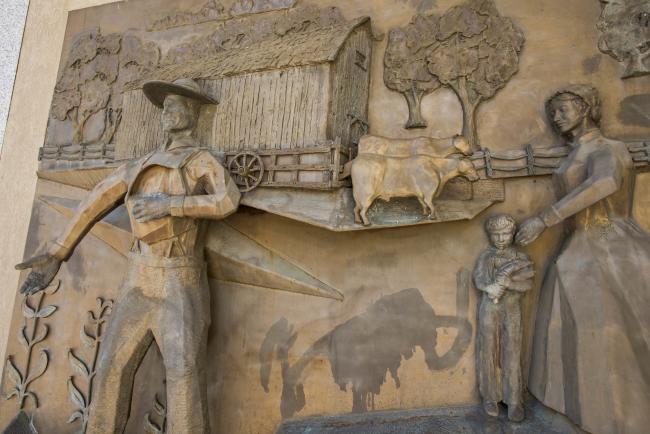
The National Agricultural Center and Hall of Fame preserves the story of American agriculture through historic barns, farm equipment, exhibits, and one of the nation's few museums dedicated to farming history. Outside, visitors will find the National Farmer's Memorial, a tribute honoring the generations of farmers whose hard work helped feed the nation and shape communities like Kansas City, Kansas. Together, the memorial and museum offer a meaningful look at the people, innovation, and perseverance behind America's agricultural legacy.
Kaw Point Park
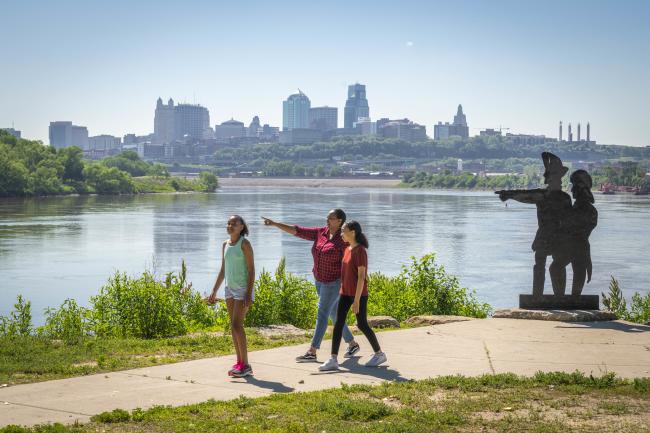
Where the Kansas and Missouri rivers meet, Kaw Point marks the place where the Lewis and Clark Expedition camped for three days in June 1804. Today, visitors can explore interpretive exhibits, historical markers, and monuments that commemorate the expedition, as well as memorials honoring the region's Native peoples. As one of the most significant Lewis and Clark sites along the trail, Kaw Point offers a unique connection to the early exploration of the American West.